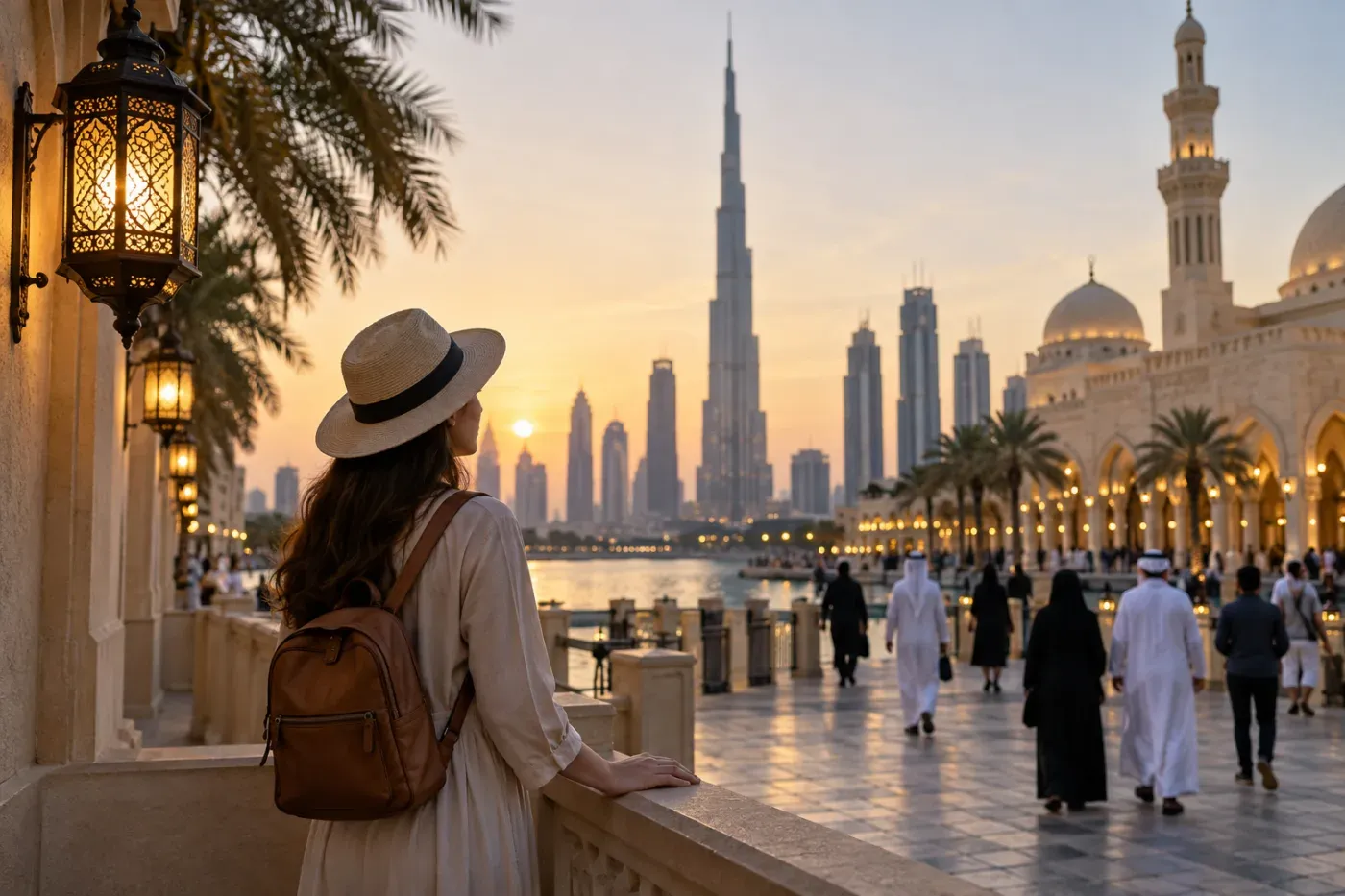
Ramadan for Tourists
What to experience: iftar buffets, suhoor, the spiritual atmosphere and charity culture.
Experiences worth travelling for
Iftar tents headline the month: vast Ramadan pavilions at hotels, mosques and community grounds serving sunset fast-breaking feasts where tourists are genuinely welcomed. The great ones pair serious food (grills, ouzi, kunafa made to order) with tent atmosphere — carpets, lanterns, oud music — at prices from charity-free to luxury. Book the famous tents days ahead; neighbourhood mosque-adjacent iftars need no booking and deliver the warmest authenticity.
Beyond eating: taraweeh evening prayers (observe respectfully from designated areas), Ramadan night markets with seasonal goods, suhoor late-night sittings for night owls, and the palpable charity culture — free meal distributions, donation drives, community fridges. The spiritual charge of the month is accessible to respectful observers without any performative piety.
Nights, tents and etiquette
Ramadan inverts the city clock: quiet slow days, electric nights. Malls and souks extend hours past midnight, traffic peaks post-iftar, and the final ten nights carry heightened devotion worth witnessing around major mosques. Plan sightseeing for calm mornings, dinners after 8pm, and at least one aimless late walk through a lit old district.
Daytime etiquette stays simple: no public eating, drinking or smoking in fasting hours; modest dress a notch above usual; muted beach and party energy. None of it confines you — hotels and screened venues serve normally — it just asks awareness that most people around you are fasting, often while working full days in heat.
Eid al-Fitr: the month finale
Ramadan closes with Eid al-Fitr, three days of celebration, new clothes, family feasts and public festivity — morning prayers in open grounds, streets dressed in lights, malls running Eid sales, beaches and parks packed with celebrating families. Visiting during Eid means joining the party: expect joyful crowds, book restaurants ahead, and accept sweet distributions with both hands and genuine thanks.
Eid al-Adha (roughly ten weeks later) brings a quieter four-day rhythm with similar family focus and its own charitable dimension. Both Eids close government offices and slow business responses — plan admin-heavy tasks around them, and leisure travel straight through them.
Ramadan experience checklist
- Book one flagship iftar tent plus one community iftar for contrast.
- Try suhoor once — the serene pre-dawn meal few tourists attempt.
- Walk old districts after 9pm when Ramadan nights peak.
- Daytime: screened dining, modest dress, muted public energy.
- Give to a charity drive or community fridge — participation welcomed.
❓ Common questions
Can tourists join iftar?
Absolutely — hotel and community tents welcome non-Muslims warmly. Mosque-adjacent community iftars are often free.
What is suhoor?
The pre-dawn meal before fasting resumes; hotels and tents serve it as a late-night sitting through the small hours.
Are malls open normally?
Yes, with extended evening hours and adjusted food-court screening by day. Nights run late and lively.
Is alcohol served?
Licensed venues generally continue with discretion; daytime public consumption stays off-limits.
When is Ramadan this year?
It shifts ~11 days earlier yearly on the lunar calendar — check dates when booking, as the experience differs hugely.
What do locals appreciate most from tourists?
Daytime discretion, modest dress, and genuine curiosity about the fast — plus joining an iftar, which hosts remember fondly.
Still have questions about this?
Our Dubai-based team answers on WhatsApp in ~5 minutes, 24/7.